All Saints’ Day: Polish Traditions and Family Remembrance
All Saints’ Day in Poland falls on 1 November. Known as Wszystkich Świętych, it brings families to cemeteries to remember relatives, tend their graves and leave flowers and candles. All Souls’ Day, or Zaduszki, follows on 2 November. The two dates are closely connected in family remembrance, but they are different observances.
For a British family with Polish roots, this can also be a time to ask about the people behind the names: a grandmother buried in Poland, a father whose grave is in Britain, or a relative remembered on a family stone although they died elsewhere. The custom offers a natural opening for conversations that deserve to be recorded.
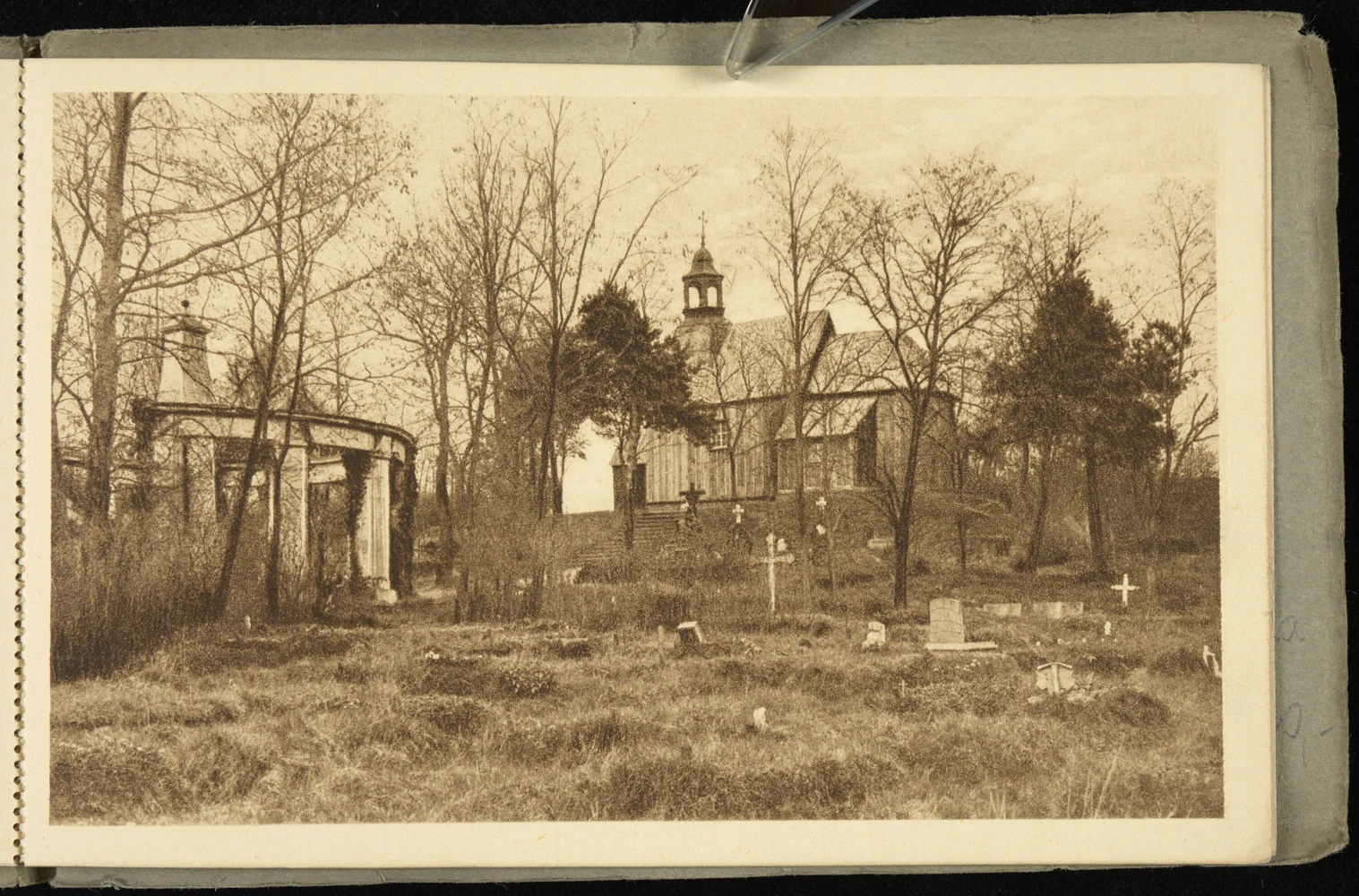
All Saints’ Day and Zaduszki: 1 and 2 November
In the Catholic calendar, All Saints’ Day honours the saints. All Souls’ Day is the commemoration of the faithful departed, when prayer is directed towards those who have died. In everyday Polish family life, remembrance and cemetery visits extend across both days. Calling every November cemetery visit ‘Zaduszki’ can therefore obscure the distinction between the dates.
The practical answer is simple: 1 November is Wszystkich Świętych, while 2 November is Zaduszki. Families may visit on either day or around those dates according to their circumstances. A photograph of candles on a grave does not by itself establish which observance was taking place, so retain any date written on its reverse or recorded by the photographer.
When explaining the occasion to children or relatives in Britain, start with the family connection rather than a long account of the church calendar. Say whose grave the family visited, how that person was related and who remembers them. Religious meaning and personal remembrance can be discussed together without assuming that every member of the family practises in the same way.
Why families leave candles and flowers
Candles and flowers are familiar features of Polish cemetery visits at the beginning of November. The grave candles are called znicze. Families gather at the graves of relatives and friends, and cemeteries become places of shared remembrance. For someone encountering the custom for the first time, the light after dusk is often the most striking part of the occasion.
A family photograph may show the people who made the visit as well as the stone itself. Both matter. Ask who bought the flowers, who travelled to the cemetery and who knew the person commemorated. These questions can recover a relationship that the photograph never states: an aunt standing beside her parents’ grave, for example, or cousins meeting at a shared family plot.
Record the answers in ordinary language. ‘Mum said this was her father’s sister’ preserves the source of an identification more faithfully than silently adding a new name to a family tree. If two relatives remember different people, keep both accounts until other evidence resolves the difference. A remembered visit is useful evidence, but it still needs to be connected to a named person.
Remembering Polish relatives from Britain
For families living in Britain, relatives’ graves may be in several countries. A conversation at home, a visit to a local cemetery or sharing an old photograph can connect younger family members with the Polish names they have heard. There is no need to imply that a family must travel to Poland to preserve that connection.
If you are planning to join a parish or community observance, confirm the arrangements directly with the organiser. A service or cemetery visit may take place on a convenient nearby date, and the time should not be inferred from an announcement for a previous year. This article does not list unverified local events.
For the wider calendar, our guide to Polish holidays and national days places the November observances alongside other occasions a British family may remember. Keep the personal account as well: which traditions were continued after migration, which changed, and what the family called the day in Polish and English.
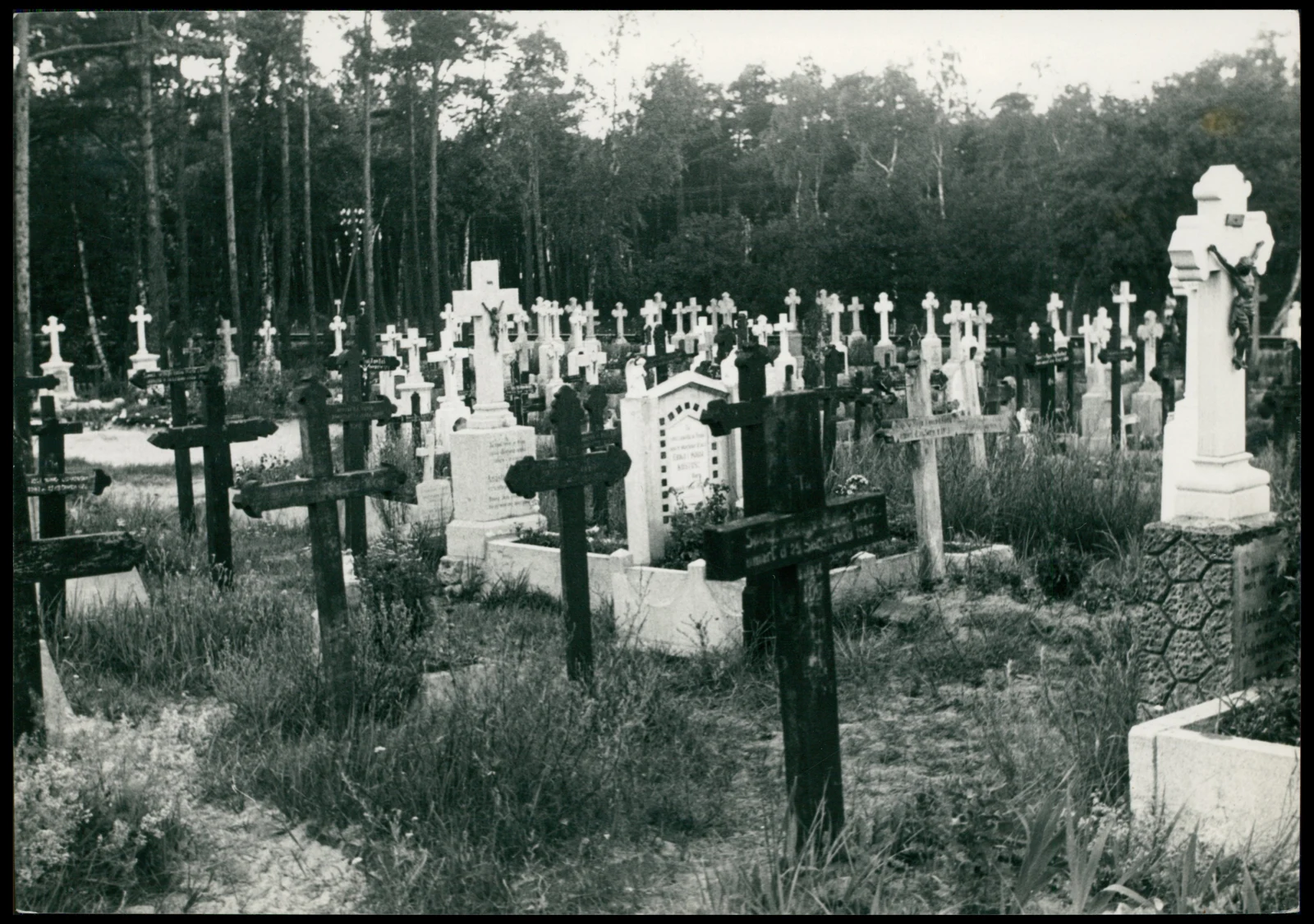
What to record during a cemetery visit
A useful record needs more than a close-up of a surname. Preserve the context that allows the grave to be located again and the inscription to be checked. Subject to the cemetery’s rules and the privacy of other visitors, make a small, organised set of photographs and notes:
- The cemetery’s full name, town and country, with the date of your visit.
- A view of the whole grave and a separate photograph of each inscribed surface.
- The section, row and grave number if it is displayed or already documented.
- Every name and date as written, including Polish letters and any uncertain reading.
- Who identified the grave and how they knew the people commemorated.
Keep the original image files. A shortened version shared in a messaging app may be harder to read later. Store a transcription beside the photographs, marking unclear letters with a question mark rather than guessing. Photographing a stone does not require cleaning, rubbing or altering its surface; consult the cemetery staff about any conservation concerns.
Ask before publishing identifiable visitors or recent family information online. A private research folder and a public family-history post serve different purposes. The notes needed to establish a relationship do not all need to appear on social media.
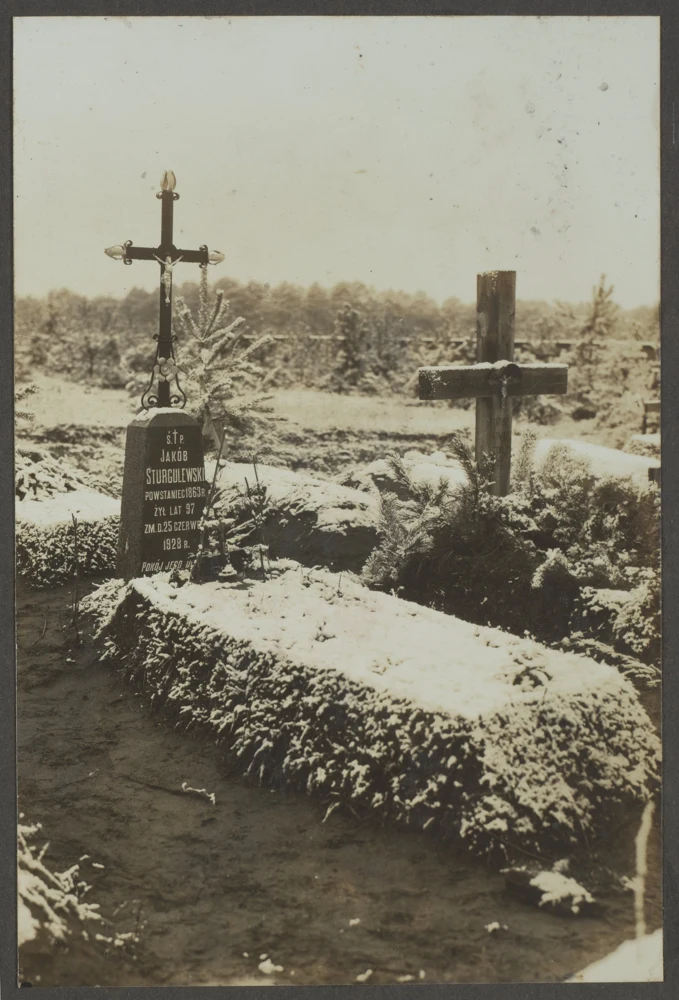
Reading a Polish inscription without losing the clues
Copy the inscription before translating it. Abbreviations, married and maiden surnames, and wording about family relationships can matter as much as the main name. Preserve the line breaks in your transcription when they help show which dates belong to which person. If part of the stone is illegible, a clear photograph is more useful than a confident reconstruction.
Several people named on one stone should not automatically be entered as a single household. Establish each relationship separately. Equally, a memorial inscription is not sufficient proof that a person is buried in that plot: the wording may commemorate someone whose burial was elsewhere. Distinguish what the stone states from what a relative recalls and what a burial record confirms.
A surname may also appear differently in British family papers. Keep the Polish spelling and the English form together, rather than replacing one with the other. Our guide to anglicised Polish surnames discusses the identification problems that arise when names change between records.
From a remembered grave to a documented family
An inscription can provide a name and a date to investigate; family testimony may supply the missing place. The strongest next step is a question that can be tested against records. Was this the same person named in a marriage entry? Did the parents’ names match? Was the town mentioned a birthplace, a last residence or simply the cemetery location?
As an illustrative example, imagine a British family holding a photograph labelled only ‘Grandmother’s grave’. A relative supplies her married surname and a village name. Those clues form a research starting point, not a completed identification. A matching marriage record could establish her maiden name and parents; earlier civil or parish entries could then support the next generation. This is a fictional research scenario, not a client case.
Commissioned Polish family history research can bring those clues together in a sourced investigation, with findings explained in English and copies of records where available. Share the photographs, existing family documents, spellings and the source of each recollection. Research should distinguish confirmed connections from possibilities and explain any gaps that remain.
For a relative with a military connection, a grave inscription and a service history answer different questions. Our guide to Polish war graves in Britain discusses that evidence separately. A military badge on a later family grave should not be treated as a complete account of the person’s wartime service.
Official sources
- Bialystok University of Technology: Feast of the Dead - the two observances and Polish cemetery customs.
- Polish Bishops’ Conference: All Saints’ Day and All Souls’ Day - the religious distinction.
- Polish Press Agency: Poland marks All Saints’ Day - family cemetery visits across both dates.