Findmypast adds to its military memorial collection
Findmypast has highlighted a recent update to its Military Service Memorial Collection. The collection pairs photographs with transcriptions and covers war graves, community plaques and other memorials. In the run-up to Remembrance Day, it offers a way to compare a name remembered by a family with the name recorded by a community or unit.
What the inscription can tell you
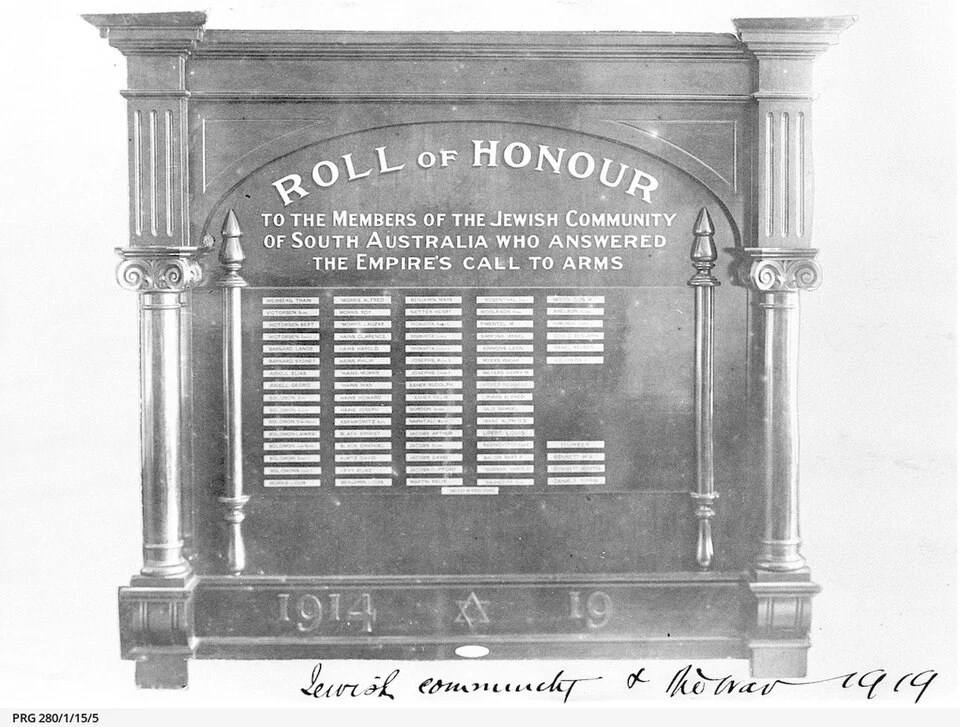
Depending on the entry, the transcription can include a name, rank, unit, service number or date of death. Compare it with the photograph. The full inscription can show whether the list relates to a parish, employer or regiment, and the surrounding names may help you understand how the list was compiled.
A place of remembrance and a place of burial
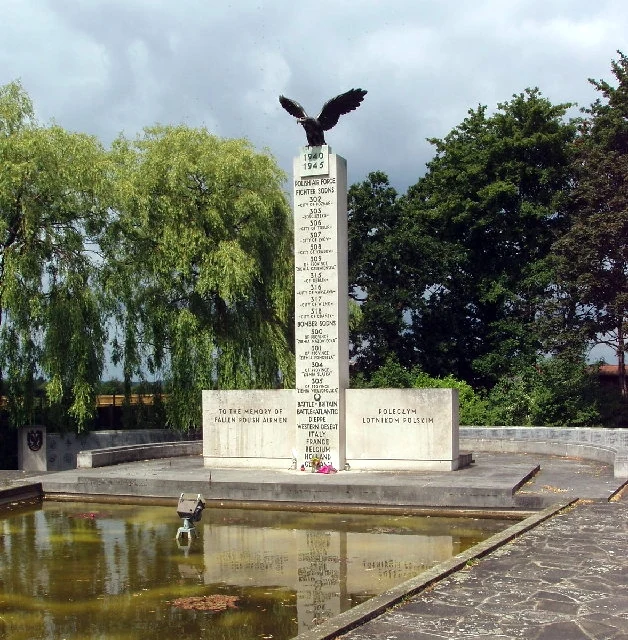
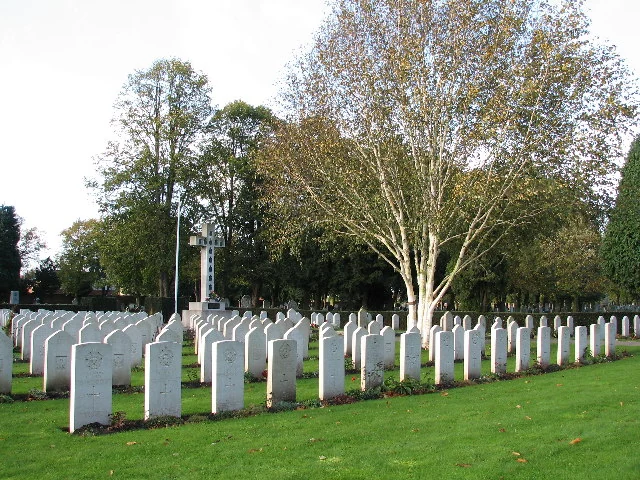
Keep separate notes for where the person is commemorated and where they were buried. The Polish War Memorial at Northolt commemorates Polish airmen. At Newark-upon-Trent Cemetery, a separate site, the Commonwealth War Graves Commission cares for a plot containing Polish Second World War graves. Both kinds of record may supply leads, but the address of a monument alone cannot establish a burial place.
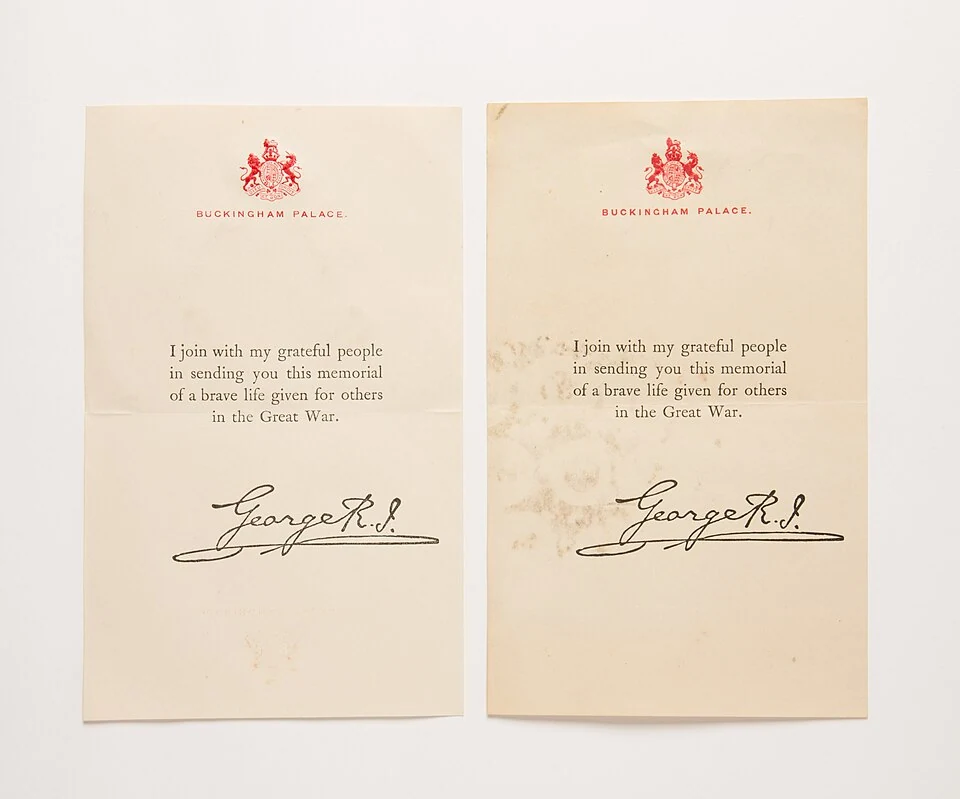
A family may also hold a memorial letter or envelope. The example below concerns New Zealand rifleman Frederick Ernest Flower, who died in the First World War. The museum catalogue connects the form letter to him through the surviving collection, although the printed wording on the letter itself gives no name.
Following a Polish name into service records
Keep the original inscription spelling alongside any spelling used at home. A service number, unit or death date gives you a firmer basis for comparing records than initials alone. Our Polish military research service can follow those clues into Polish and other continental collections and explain the results in English.