Kew opens more than 100 MI5 files
The National Archives released more than 100 Security Service (MI5) files on 22 October 2026. The records span 1933 to 1975 and are available through Discovery, the archive’s online catalogue. They cover political surveillance, espionage and people who appear only briefly in someone else’s file.
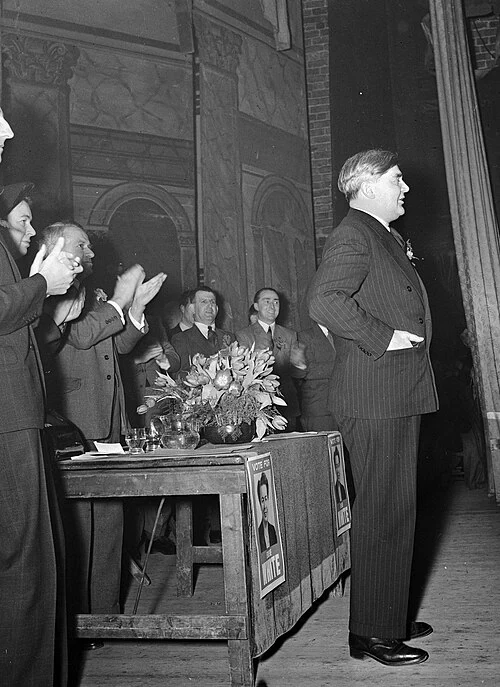
The names in the release
Two of the released files concern Aneurin Bevan. The archive says MI5 monitored the Welsh MP’s activities and associations, with no action beyond surveillance. Other files concern the composer Michael Tippett and the investigation of Frank Clifton Bossard, a former RAF officer who passed information to Soviet intelligence.
When a name appears in someone else’s file
Arnold Ridley, later known for playing Private Godfrey in Dad’s Army, appears in a 1939 police account. He accompanied Sylvia Matthews when she gave a statement about a passport. The archive describes his appearance as a passing reference. The distinction matters when a family name turns up in a file whose title names somebody else.

Record who made the statement, who wrote it down and when. An address or occupation can help distinguish people with similar names. A report may record somebody’s suspicions, while a dated statement can place a person at a specific address or meeting. Read each detail in the context of the page that contains it.
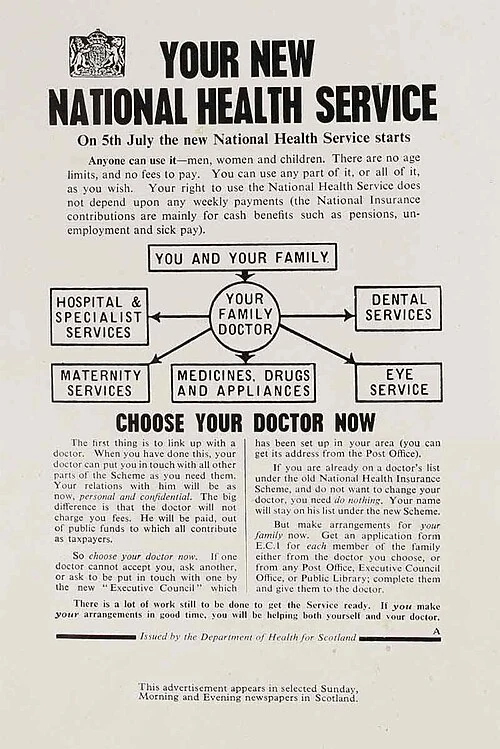
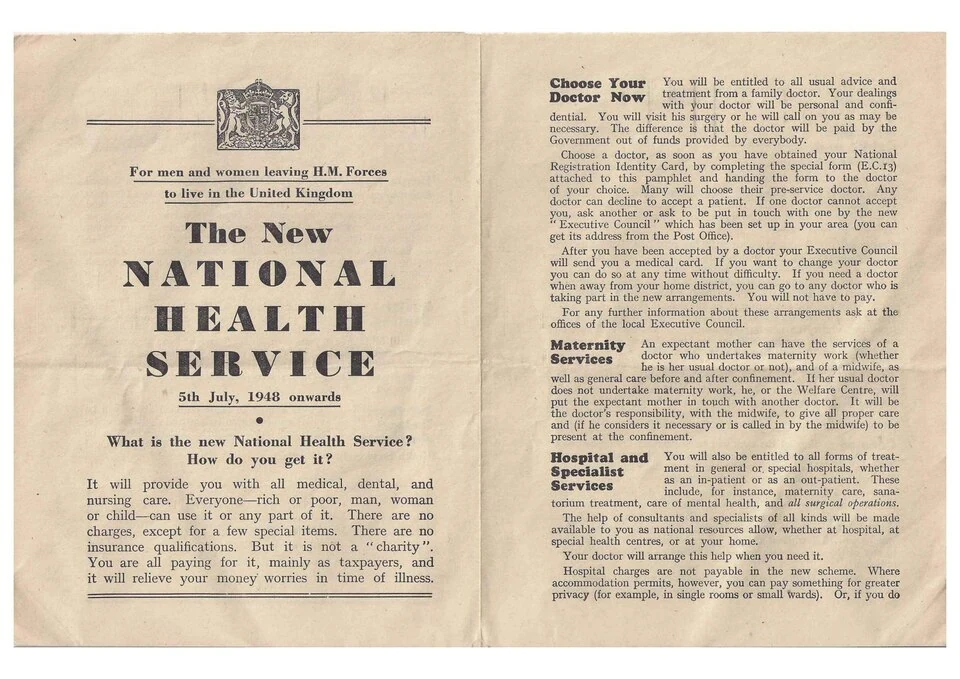
The same person can turn up in records created for very different reasons. Bevan’s security files show what officials were watching. Contemporary public leaflets about the NHS show a different side of his period in office. Their dates, authors and audiences help explain why each record says what it does.
Following a Polish clue
If a British file gives a Polish birthplace or an earlier spelling of a surname, keep it as written alongside any modern form. Our Polish family history research service can trace that lead in Polish civil, parish and other archival records and report the findings in English.