Polish Refugee Camps in Africa and India 1942-1950: Records
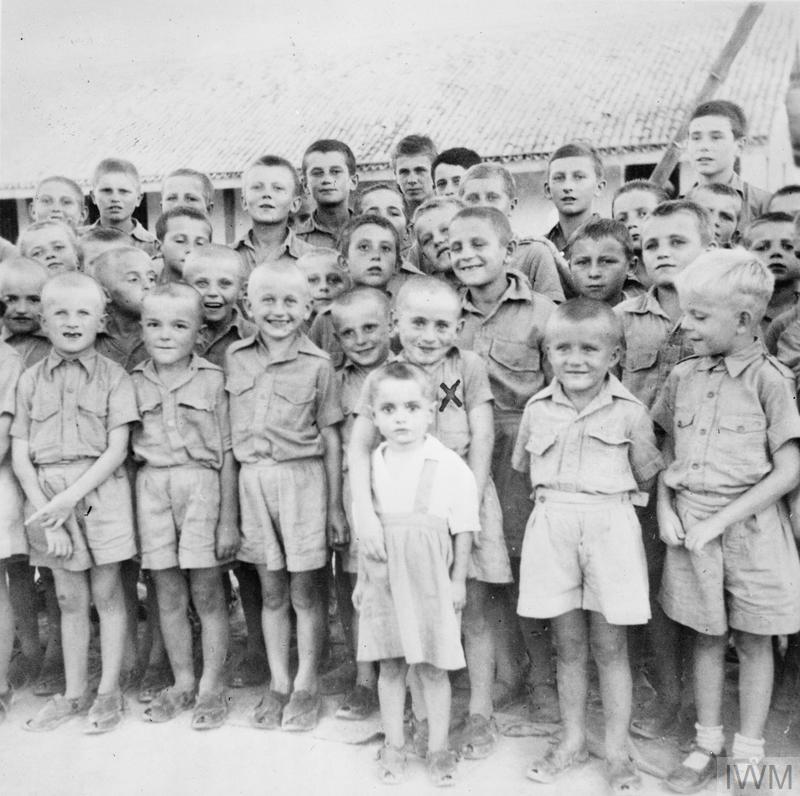
Between 1942 and 1950 about twenty Polish refugee settlements in British East and Central Africa, and camps in India, housed tens of thousands of Polish civilians, mostly women and children evacuated from the Soviet Union with Anders’ Army. Many of them came to Britain between 1947 and 1950 to join husbands and fathers serving in the Polish Resettlement Corps. A school certificate from Tengeru, a photograph from Valivade or a faded camp pass is often the family’s only paper from those years.
These camps were well recorded. Red Cross lists, camp registers, school rolls and resettlement lists survive, and many have been transcribed. This guide explains where the camps were, which lists exist, what they contain and how a camp document leads back to the family’s home parish in pre-war Poland.
Why Polish families were in Africa and India
The Polish army formed in the Soviet Union in 1941 was evacuated to Persia in 1942 together with tens of thousands of civilians, many of them the families of soldiers and the survivors of the deportations of 1940 and 1941. Persia could not keep them. From the transit camps at Pahlavi, Tehran, Isfahan and Ahvaz the British and Polish authorities moved civilians to settlements in the British colonies of East and Central Africa, to India, and in smaller numbers to Mexico and New Zealand. The Polish government in exile in London and its delegates ran the camps’ schools, churches and welfare; the colonial refugee administrations handled housing, rations and, later, resettlement. Our guide to Soviet deportation records covers the road that brought these families to Persia.
The settlements

East and Central Africa
The largest settlement was Tengeru in Tanganyika (now Tanzania), near Arusha, with about 4,000 residents; smaller Tanganyikan camps were at Kondoa, Ifunda, Kidugala, Morogoro and Kigoma. In Uganda the main settlements were Koja on Lake Victoria and Nyabyeya (Masindi) in the Budongo forest. Further south there were settlements in Northern Rhodesia (Abercorn, Bwana Mkubwa, Lusaka, Livingstone, Fort Jameson), Southern Rhodesia (Marandellas, Rusape) and Kenya (Makindu, Nairobi), and an orphanage at Oudtshoorn in South Africa. Most African settlements closed in 1948 when residents were resettled in Britain, Canada and Australia; Tengeru took in the remaining residents of the others and stayed open until the early 1950s.
India
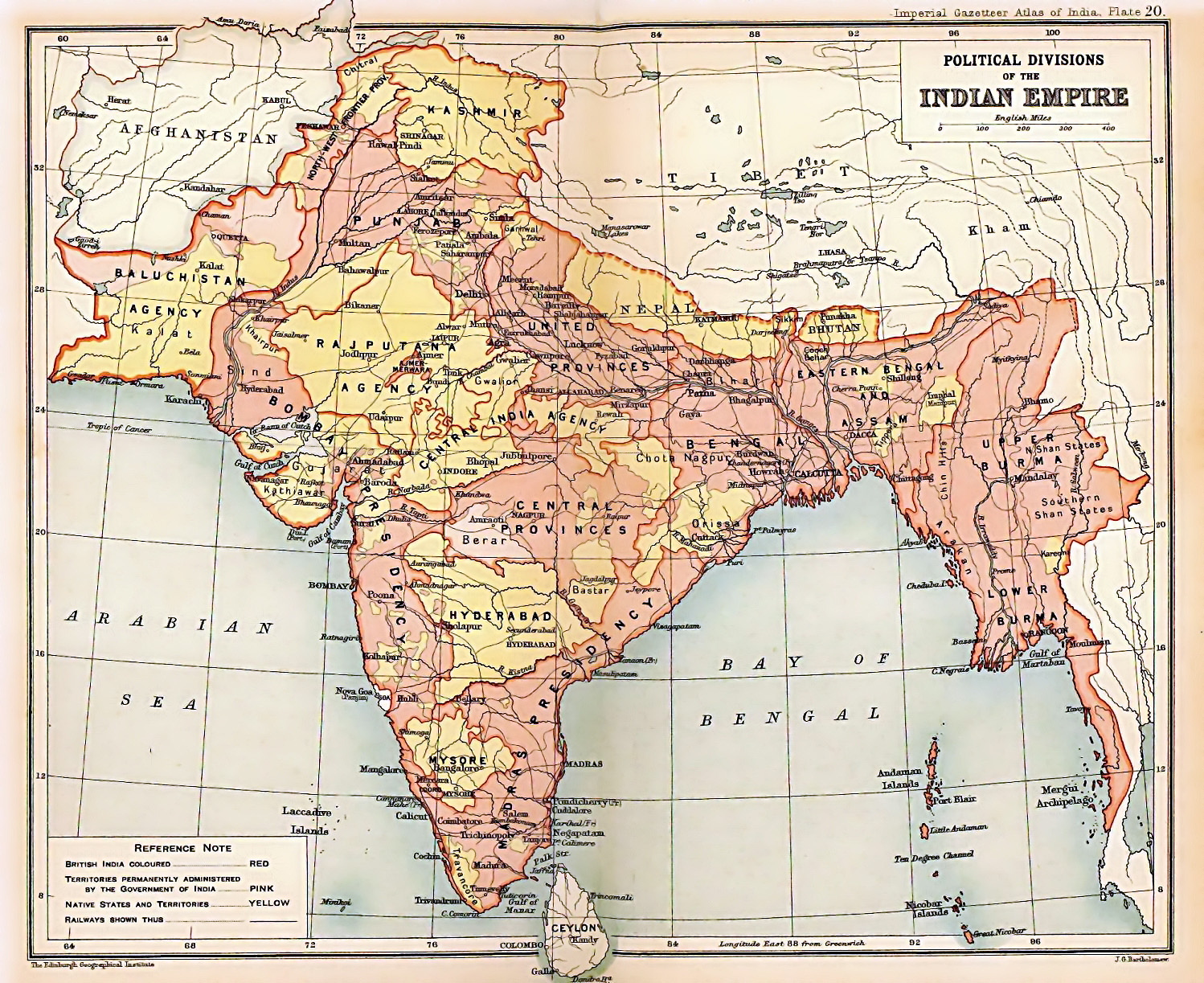
The largest Indian camp was Valivade near Kolhapur, financed by the Polish government in exile. Building began in March 1943 and about 5,000 Poles, mainly mothers with children, passed through it. A camp for children at Balachadi in Jamnagar, established by the Maharaja of Nawanagar, housed about a thousand children and their carers from 1942 until 1946, when it closed and its residents moved to Valivade. Smaller groups lived in Karachi, Bombay and the hill stations. Valivade was officially closed at the end of 1947, a few months after Indian independence on 15 August 1947, and the last residents left during 1948. Many sailed to Britain to join husbands and fathers; others went to Canada, Australia, Africa or back to Poland.
The lists that survive
Because the camps were run by administrations that counted their residents, the records are unusually good for a wartime refugee population. The following are the main name lists, most of them transcribed and published online by volunteer projects.
- Nairobi Red Cross list, 1943: about 18,700 names of Polish refugees in East Africa, with settlement; incomplete, as arrivals continued after it was compiled.
- Red Cross settlement lists, 1944: separate lists for Tengeru, Masindi, Ifunda, Kondoa, Livingstone, Lusaka, Bwana Mkubwa, Abercorn, Marandellas, Rusape, Makindu and others, some recording deaths.
- East African Refugee Administration lists, 1950: residents of Tengeru and Koja awaiting resettlement, grouped by family; most of the people on the Tengeru list of April 1950 sailed to Hull on the Dundalk Bay in September 1950.
- India lists, 1943 to 1944: compiled by the Polish Ministry of Labour and Social Welfare delegation, with index numbers and birth dates, and a fuller version with parents’ names and addresses; the Balachadi children’s list was published in 1942.
- Passenger and arrival lists: ships from Mombasa and Durban to Southampton, London, Glasgow, Liverpool and Hull, 1947 to 1950, with addresses of destination in Britain.
- School and scout records: rolls of the camp schools, scout troop chronicles and the Digglefold school in Southern Rhodesia.
In 2019 the Institute of National Remembrance (IPN) in Warsaw received a large collection from a former refugees’ association covering about 6,000 Polish refugees evacuated from the Soviet Union, including the original list of those transported to India with about 5,000 names, photographs, files and scout chronicles. The Polish Institute and Sikorski Museum and the Polish Library at POSK in London hold originals of several wartime lists and the records of the government in exile’s welfare delegations.
What a camp document tells you

- A school certificate or report: the child’s full name, date and place of birth and the camp school; it fixes the family in a named settlement in a given year.
- A camp pass, ration card or hospital slip: the family’s block or house number and often the names of all members living together.
- A photograph with a caption: the settlement name and date; group photographs of a class, a scout troop or a first communion can name others from the same home district.
- A resettlement notice or ship ticket: the port, the ship and the date of arrival in Britain, which leads to passenger lists and the British address.
The most valuable piece of information in all of these is the place of birth in Poland, written down by Polish administrators who understood the names. It is usually more accurate than the version recorded later by British officials.
A worked example
An illustrative case, not a client file. A family in Nottingham keeps a Tengeru school report for a girl born in 1935 in a village near Łuck in the Wołyń voivodeship, and a photograph of her mother with three children captioned “Tengeru 1946”. The 1944 Red Cross list for Tengeru shows the mother and three children with their dates of birth; the April 1950 list shows the same family group awaiting resettlement, and the Dundalk Bay arrival in Hull in September 1950 gives the first British address. The father does not appear on the camp lists because he was serving with the 2nd Polish Corps; his service file and the Polish Resettlement Corps records complete the family’s road to Britain. The village near Łuck then leads to the pre-war Roman Catholic parish register, now held in the Ukrainian archives, for the children’s baptisms and the parents’ marriage.
From the camp to the Polish parish
Almost every family in these camps came from the eastern voivodeships of pre-war Poland, which are now in Ukraine, Belarus and Lithuania. Their parish and civil registers survive in part in the state archives of those countries and in part in Poland, where registers and duplicates were moved after 1945. The camp lists give the birthplace and date needed to find the right register. Our guide to Polish church records explains what the parish books contain, and our family history research service follows a family from a camp document through the lists, the resettlement records and the pre-war registers, with the results explained in English and copies supplied where the archives allow.