Greta Migrant Camp: Polish Family History and Records
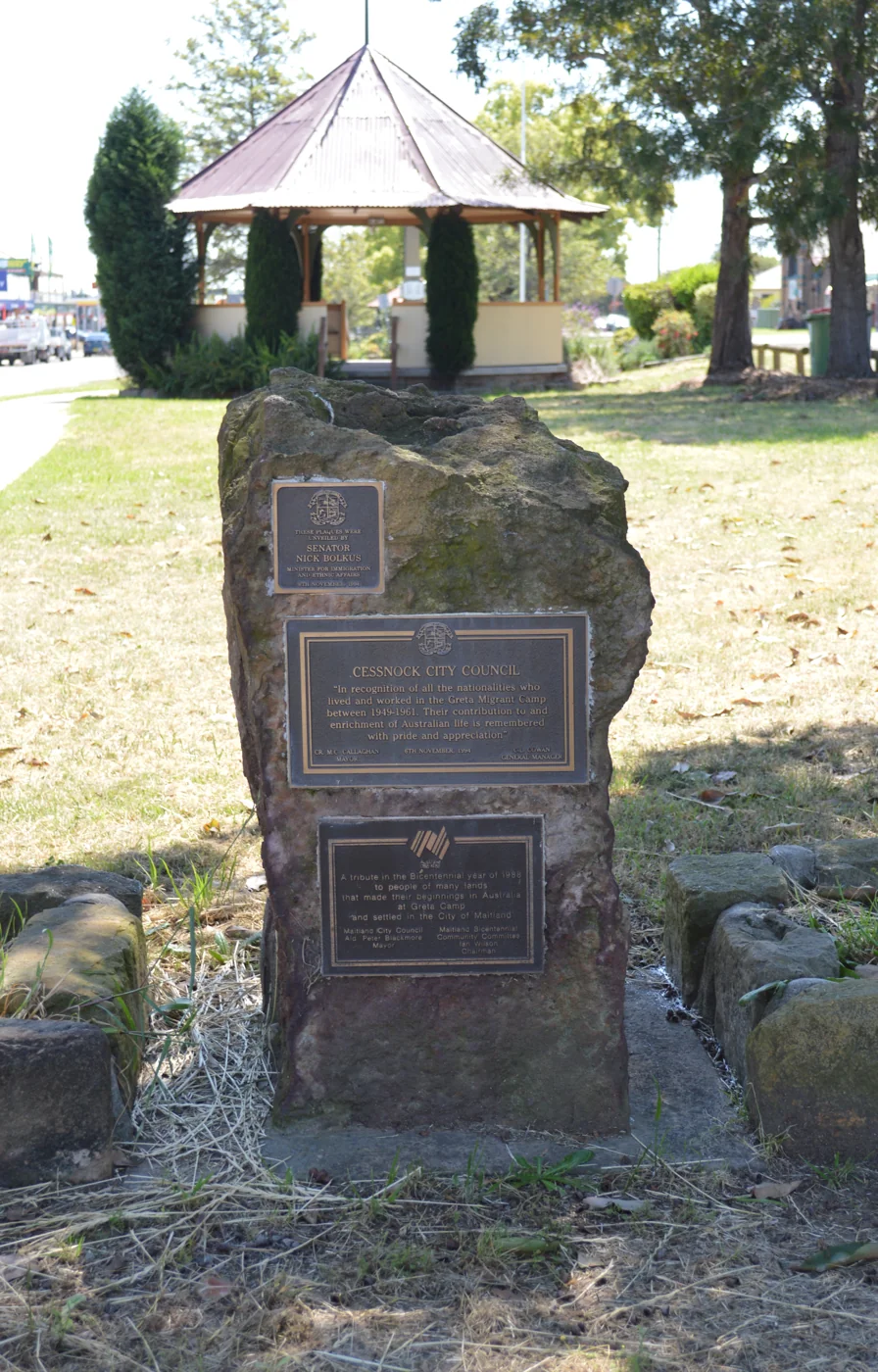
Greta and your family
A remembered camp. A family still to trace.
A photograph, an address or a relative’s recollection can place Greta in your family story. Documentary clues can help connect that Australian chapter with the people and places left behind.
See the clues worth followingGreta Migrant Camp in New South Wales is part of many families’ memories of settling in Australia after the Second World War. For descendants of Polish migrants, a reference to Greta may connect a family photograph or remembered address with the earlier names and places needed for research in Poland. It is a starting point for identifying people, rather than a complete account of their lives.
The useful evidence is spread across different kinds of material: migration papers, local collections, photographs and personal recollections. We help connect the Polish clues in documents your family holds with surviving family records in Poland. A careful investigation keeps the history of the camp separate from what can actually be established about an individual resident.
What your family papers may reveal
A person, not just a camp
Identify the relative and the evidence connecting them with Greta.
Details in family papers
Compare names, dates, school references and migration documents.
The earlier family home
Follow a supported place or relationship into the relevant Polish sources.
Greta Migrant Camp and the earlier army camp
Greta’s military and migrant histories concern the same site at different periods. The Australian War Memorial describes the transfer to the Department of Immigration in 1949 and its use for European migrants until 1960. Cessnock City Library dates the migrant camp’s operation from 7 June 1949 to 15 January 1960. A photograph or document needs to be placed within the appropriate period before it is used in a family account.
A relative remembered as being at Greta was not necessarily a soldier. Conversely, an army photograph identified only by the place name does not establish a later migrant connection. Look for the document’s purpose, its date and the names of the people it identifies. The camp’s broader history can explain the setting without supplying an individual’s occupation or status.
Write a provisional timeline with separate entries for known events and remembered ones. A family account might give the camp name but no year; an inscribed photograph might narrow the period. Keep the original uncertainty until another source supports a date. This creates a usable framework without making the evidence appear more precise than it is.
Tracing a relative in Greta migrant camp records
List the person or household you want to trace, with the names used in Australia and any earlier spellings. Include a spouse, children and approximate birth dates where known. These details are especially valuable when a common surname appears in several collections. An apparently matching name needs to be tested against the same family’s other evidence.
Ask which object or recollection establishes the Greta connection. A letter posted to a camp address, an original photograph caption and a later family memory are different sources. None should be silently substituted for another. The person who supplied a photograph may know who is pictured, while the date or location may be an assumption made much later.
Separate the family group’s members from friends, neighbours and people photographed with them. Preserve the actual relationship stated in the source, if any. You can keep an unidentified person as a research question rather than assign them a convenient place in the tree. That helps avoid carrying an Australian identification error into Polish record searches.
Migration papers can connect Greta with Europe
A camp connection becomes more informative when matched with the person’s migration evidence. Names, dates and the recorded voyage may help place the family before or after Greta. Check what each document’s date describes. Arrival in Australia, admission to a centre and a later move are separate events, even when they belong to a short period of the same life.
National Archives of Australia guidance describes migrant selection documents and the personal information that may survive in them. A named relative or a place can help connect those papers with Polish sources. The contents and available access vary. A catalogue title or a single copied page should not be presented as a complete immigration file.
Where European displaced-person paperwork survives, it can provide another stage to investigate. Our guide to DP records discusses that material, and the Australian passenger lists guide considers travel evidence. A reference to a European camp does not itself prove a particular military, persecution or forced-labour history; those are separate questions.
Greta migrant camp photographs and local collections
Cessnock City Library’s research guide identifies local history material and points to photographs, newspapers, museum collections and accounts of camp life. These sources can help identify surroundings and people or explain the context of a family image. They do not form a single complete register of everyone who lived at Greta, and a general camp photograph is not evidence that a particular relative appears in it.
For a photograph, preserve any original caption, the person who supplied it and the distinction between a contemporary inscription and a later annotation. Clothing, buildings and a remembered event may offer leads, but an attractive resemblance is not enough to name an individual. If relatives disagree, retain the different identifications until they can be tested.
A newspaper notice or reunion account may connect someone with an association or a later locality. Follow the stated evidence rather than assume all people with the surname belong to one family. When reproducing a photograph publicly, establish the rights and any conditions separately. Availability in a catalogue does not by itself grant permission to publish it.
Schools, language classes and memories of daily life
Records of education can provide a different view of a family from migration administration. Museums of History NSW describes post-war migrant education and lists two schools at Greta, with different operating periods. This helps explain why a memory about a school and a general camp date may require separate checking. An institutional history is context, not confirmation that a named child attended.
A school photograph held by the family may identify classmates or a teacher, while a remembered English class may explain a parent’s experience of settlement. Write down who recalls the event and when the account was recorded. Memories can be valuable without being exact in every detail. Compare their chronology with documents rather than removing the personal account because one date differs.
Keep questions proportionate to the evidence. You might establish the period in which a child could have been photographed at the camp before trying to identify every person in the image. A careful family history can preserve the memory, explain the verified setting and leave unsupported identifications open. It does not need to turn every recollection into a certified fact.
From an Australian address to a Polish family line
An Australian address places someone at a stage of settlement. A Polish birthplace, parents’ names or an earlier family address can direct the next investigation. The essential step is identifying what each place actually represents. A former residence, a town of birth and the office issuing a paper should not all be treated as the same ancestral locality.
In an illustrative example, a fictional family holds a Greta letter naming a married woman and a separate document giving her maiden surname and a European town. A focused Polish investigation would first establish the locality and test the marriage or birth evidence connecting those identities. This example describes a research question, not a client case or a guarantee of surviving records.
Our guide to Polish family research from Australia explains how those clues can be used in a commission. The Bonegilla records guide is relevant where the family’s own evidence also mentions that centre. Do not add Bonegilla to an individual’s route merely because both camps appear in general migration histories.
Commissioning the Polish part of the investigation
The family-history service can investigate an agreed line or question in Polish and relevant continental sources, using the Australian papers you already hold as starting evidence. It is not an offer to obtain Australian government, medical or school files. Where further Australian material would affect the identification, its importance can be explained without suggesting it is included in the commissioned Polish research.
Findings are reported in English with source references and copies where available and permitted. The value is the documented connection between people and records: why an entry is considered relevant, what it establishes and which uncertainties remain. The work may identify parents, resolve a locality or extend a supported line, depending on the question and the surviving evidence.
To commission research, use the family-history research service and describe the person, the Greta connection and the result you want to establish. If you need help selecting the appropriate service, the contact form receives questions and we reply with the fitting service and price or a quotation. No visit to Poland is required to begin that discussion.
Official sources
Sources checked on 28 October 2026. The institutional guides describe their own collections; the research examples above are illustrative and do not describe completed client cases.
- Cessnock City Library: Greta Migrant Camp research guide
- Australian War Memorial: Greta camp history
- Museums of History NSW: teaching English to post-war migrants
- National Archives of Australia: migrant selection documents
- Arolsen Archives: evidence of abode and emigration
- Polish State Archives: genealogical sources